For women going without hormone therapy: the scientific research on non-hormonal prescriptions, therapies, topicals and everyday tools, cited and sorted by the evidence.
On this page
- Building your own menopause toolkit.
- Non-hormonal prescriptions.
- Mind-body: What some evidence shows.
- Movement and Exercise.
- Food, especially soy and plants.
- Testing: what's worth it.
- Familiar plant medicines, and the evidence.
- Topicals.
- Hemp and cannabis: what do we actually know.
- What we don't know yet.
- The toolkit, side by side.
Building your own menopause toolkit.
Menopausal symptoms and experiences vary widely, and there is no one solution to any woman's particular set of challenges.
Menopausal hormone therapy (HRT) is the most well-known solution, as the most effective treatment for hot flashes, themselves a sort of cultural shorthand for menopausal experiences.[1] Many women literally can't take this route, because of estrogen-dependent cancers, heart disease and more, and choosing not to despite eligibility is also common.[1]
In a survey published in 2021, researchers found 81% of 675 US women with moderate to severe hot flashes had never taken hormone therapy. Their reasons:[2]
- No need for a drug, because menopause will pass by itself: 53%
- Worry about side effects: 34%
- Worry about long-term risks: 30%
- Risk factors in the family: 11%
In 2002, the Women's Health Initiative trial reported that, on average, the health risks of an estrogen-plus-progestin pill outweighed its benefits. In the US, the share of women 40 and over taking hormone pills fell from 22.4% in 1999–2000 to 4.7% in 2009–2010.[3] Researchers who followed US women through those years found that risks seen in older women may have led younger women with hot flashes to go without, and that more of the women who stopped named news reports and their clinician's advice as the reason.[4]
So many women ask me what they can do that isn't HRT. The answers are out there, scattered across trials, guidelines and ultimately, anecdotal experiences, because, for every dollar spent on medical research and innovation, only 5 cents goes toward women's health issues at all,[5] and NIH funding favors diseases that mostly affect men.[6]
Non-hormonal prescriptions.

If you choose not to take hormone therapy but are suffering from severe hot flashes, there are non-hormonal, FDA-approved prescriptions you can ask your doctor about.
Fezolinetant (Veozah), elinzanetant (Lynkuet) and low-dose paroxetine (Brisdelle) are generic/brand-names you may hear recommended in this context.
The Menopause Society also recommends other selective serotonin reuptake inhibitors (SSRIs) and serotonin-norepinephrine reuptake inhibitors (SNRIs), gabapentin, oxybutynin and stellate ganglion block.[1]
- Fezolinetant (Veozah) (FDA-approved May 2023) gained a Boxed Warning for rare but serious liver injury in December 2024. It requires liver blood tests before you start, every month for the first 3 months, and again at 6 and 9 months.[7]
- Elinzanetant (Lynkuet) was approved on October 24, 2025, for moderate to severe hot flashes due to menopause.[8] It needs liver blood tests before you start and again at 3 months, and it must not be taken during pregnancy. It can make you drowsy; if it does, don't drive until the drowsiness has passed. Tell your clinician if you've ever had a seizure.[9] Its use for hot flashes caused by breast-cancer endocrine therapy has been under FDA review since late September 2026; it is not approved for that.[10]
- Low-dose paroxetine is FDA-approved for hot flashes.[11] If you take tamoxifen, paroxetine may make it work less well, because it blocks CYP2D6, the liver enzyme that turns tamoxifen into its active form; the label says to consider avoiding the combination.[1][11]
- Stellate ganglion block, a specialist nerve-block procedure, is on the list too.[1]
Mind-body: What some evidence shows.
Interestingly, The Menopause Society also recommends menopause-specific cognitive behavioral therapy (CBT) and clinical hypnosis for hot flashes, and neither uses a drug or a hormone.[1] In trials, CBT made hot flashes less of a problem and hypnosis made them less frequent.
Clinical hypnosis. For hot flashes. I know. I rolled my eyes too, right up until I read the trial: 187 postmenopausal women, five weekly sessions, and at 12 weeks the hypnosis group's self-reported hot flashes had dropped about 74%, versus 17% for an attention-control group.[12] A 2025 trial of six weeks of self-administered audio hypnosis in 250 women also helped, though the sham group improved too.[13]
Menopause-specific CBT. In a trial of 140 women, group and self-help CBT made hot flashes and night sweats less of a problem at 6 and 26 weeks.[14] In 96 breast cancer survivors, it also helped mood and sleep.[15] UK guidelines say to consider it for hot flashes and related sleep problems and low mood.[16]
Breathwork and Yoga. Paced breathing is lovely for your nervous system and, in a 16-week trial of 218 women, did approximately nothing for hot flashes.[17] Over 20 weeks, mindfulness training in 110 women made hot flashes less bothersome (21.6% versus 10.5% with a wait-list group) but not less intense.[18]
For yoga, a 2024 overview of 17 reviews found better overall, physical and urogenital symptom scores; for hot flashes and mood, the evidence was inconclusive.[19]
Movement and Exercise.
A Cochrane review pooled 5 trials with 733 women and concluded the "evidence was insufficient to show whether exercise is an effective treatment for vasomotor menopausal symptoms."[20]
The Menopause Society notes that exercise has other health benefits.[1]
Researchers have named the joint, muscle and bone changes so many of us feel: the "musculoskeletal syndrome of menopause." The authors estimate that of the "more than 47 million women worldwide" entering the menopause transition each year, "more than 70% will experience musculoskeletal symptoms and 25% will be disabled by them."[21]
In other words, lifting heavy things is not just for moving couches anymore.
Food, especially soy and plants.
Soy. In a meta-analysis of soy isoflavone supplements taken by mouth, hot flash frequency fell 20.6% versus placebo across 13 trials, and severity 26.2% across 9, with high variability.[22] For what it's worth, The Menopause Society still doesn't recommend soy for hot flashes.
A review of 62 studies (6,653 women) linked plant phytoestrogens to modest reductions in hot flashes and vaginal dryness, on evidence its authors called generally suboptimal.[23]
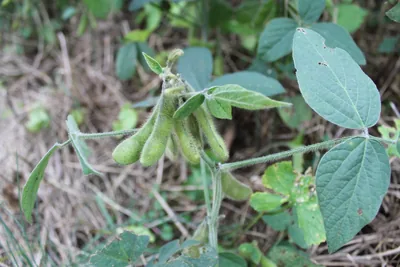
The vegan diet trials. Two small, unblinded trials (38 and 84 women), funded by and run from the Physicians Committee for Responsible Medicine, found large drops in hot flashes on a low-fat vegan diet with half a cup of soybeans a day, and the comparison group also improved.[24][25]
Weight. In a 6-month trial of 338 women with overweight or obesity, a behavioral weight-loss program was linked to improved hot flashes among those bothered by them.[26]
Triggers. Alcohol, caffeine and spicy food are common suspects. Track yours before you cut anything.
Testing: what's worth it.
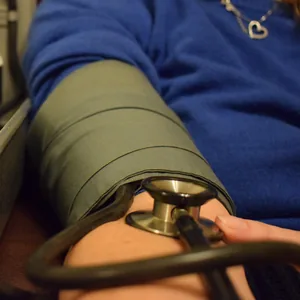
If you're 45 or older with typical symptoms, you usually don't need a blood test to know you're in perimenopause.
The UK's National Institute for Health and Care Excellence (NICE) says to identify it without lab tests, and not to use AMH, inhibin, estradiol, antral follicle count or ovarian volume for this, because hormone levels swing.[16]
That pricey saliva hormone panel? In perimenopause your hormones are swinging like a GenX kid on a playground with no safety mulch. The guidelines we rely on don't use saliva, dried-urine or at-home FSH tests to diagnose perimenopause.[16]
And AMH, the so-called egg-timer test? It tracks with menopause timing across large groups of women, but it can't give you a precise date.[27]
These are the screenings US guidelines recommend for women at midlife:[28]
- Blood pressure, for every adult
- Cholesterol, as part of estimating your heart risk from age 40
- Blood sugar (HbA1c or fasting glucose), from 35 to 70 if you have overweight or obesity
- Osteoporosis screening with a bone density (DXA) scan, recommended for all women 65 and older and for postmenopausal women under 65 at increased risk.[29]
- A mammogram every two years from 40 to 74, and cervical screening up to 65
- Colorectal cancer screening from 45
Worth asking your clinician about:
- Thyroid (TSH), if your symptoms overlap with thyroid symptoms
- A blood count and ferritin, if your bleeding is heavy
- Vitamin D
Familiar plant medicines, and the evidence.
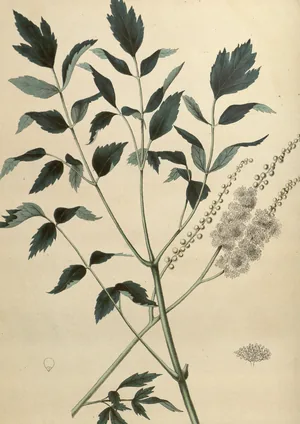
Black cohosh has long been used to reduce pain and calm the nervous system in traditional Chinese medicine. Cleveland Clinic describes one of its compounds as having a "serotonin-like effect, which may impact your body’s ability to regulate temperature and ultimately help to reduce hot flashes — but it’s not a sure thing."[30]
A Cochrane review of 16 trials with 2,027 women, all taking it by mouth, found insufficient evidence that it relieves any menopausal symptoms at all.[31]
Rare cases of liver damage, some very serious, have been reported in people taking black cohosh products, though it isn't certain the herb caused them.[32]
Call your clinician if you notice signs of liver trouble such as dark urine or unusual tiredness.
Remember, "natural" isn't a safety rating. Poison ivy is natural.
Other herbs and plant medicines you may have heard identified as natural remedies for different menopausal symptoms.
- Soy and red clover: if you've had an estrogen-sensitive cancer, discuss soy and red clover supplements with your oncology team.
- St John's wort: it can weaken the effects of many medicines, including birth control pills, some antidepressants, some cancer drugs and the blood thinner warfarin. Taken with some antidepressants or other drugs that affect serotonin, it can cause serious side effects.[33]
- Ashwagandha: one small 8-week trial in 100 perimenopausal women, taken by mouth, improved a menopause symptom scale.[34] Rare cases of liver injury have been linked to ashwagandha supplements. It should be avoided in pregnancy, isn't recommended if you have a thyroid or autoimmune condition, and may interact with thyroid, diabetes, blood pressure and sedative medicines.[35]
- Lavender aromatherapy: in one 12-week trial of 100 women, inhaling lavender twice a day cut hot flushes more than a control.[36] In a 35-woman insomnia pilot, inhaled at bedtime for 29 days alongside sleep-hygiene advice, sleep improved in both groups and hot flashes didn't differ.[37]
Topicals.
Some tools go on the skin or in the vagina, beside the pills and the procedures, sorted the same way.
For vaginal dryness. Over-the-counter vaginal moisturizers and lubricants contain no hormones, and The Menopause Society says non-hormonal options like these give enough relief for most women with mild symptoms.[38]
Low-dose vaginal estrogen is an effective treatment for moderate to severe symptoms. There isn't enough data yet to confirm its safety after breast cancer, so if that's your history, decide with your oncology team.[38]
Topical hemp and botanicals. No published trial has tested hemp, CBD or botanical oils applied to the skin, pelvic muscles or vaginal tissues to address menopause symptoms.
Hemp and cannabis: what do we actually know.
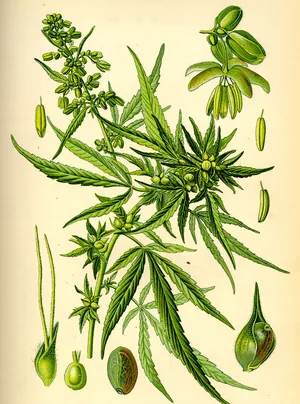
Clinical trials haven't shown that cannabis helps explicitly with menopause symptoms.
Surveys show many women use it, mostly for sleep and mood. The Menopause Society says cannabinoids can't be recommended for hot flashes.[1]
In a US survey of 258 women, 86% of them current cannabis users, the top reasons were sleep (67%) and mood or anxiety (46%).[39]
In a 2023 Alberta survey published in BMJ Open, 34% of 1,485 women aged 35 and over currently used cannabis, and most users said it helped.[40]
THC affects thinking, memory and coordination,[41] and cannabis use is linked to a higher risk of car crashes and, in older adults, of injuries.[42] It can raise your heart rate and blood pressure right after use.[43] Cannabis products, CBD included, can interact with other medicines, and of course the law varies by where you live.[42]
Research suggests a two-way relationship between the endocannabinoid system and the body's sex hormones, estrogen included.[44] No published trial has tested whether that matters for menopause symptoms.
What we don't know yet.
Here's where I put my science-girlfriend hat on and say: we don't know yet. And "we don't know yet" is not the same as "no," or as "yes."
- Whether hemp or CBD helps menopause symptoms. A small registered trial of a vaginal suppository pairing CBD with hyaluronic acid (a moisturizer) finished in 2024; no results are posted.[45]
- Whether cannabis helps hot flashes. We only have surveys.
- That yoga or breathwork reduces hot flashes.
- That diet changes match hormone therapy.
- That any botanical "balances hormones."
- That an at-home hormone panel can diagnose perimenopause or predict menopause.
- Much about long-term safety for most supplements.
The toolkit, side by side.
Each option is sorted across four groups of symptoms: hot flashes and night sweats, sleep, mood, and vaginal dryness and atrophy (the genitourinary syndrome of menopause, or GSM). The main benefit is the one with the best evidence behind it. A dash means we found no study of another benefit.
Strong: consistent benefit in randomized trials or their reviews. Moderate: smaller or mixed trials, or observational evidence. Directional: small, early or unblinded trials, or self-report. Not shown: tested, no clear benefit. Not studied: no trials yet. The labels describe the studies, not your choice.
| Option | Main benefit | May also help | Cost and effort | Watch for |
|---|---|---|---|---|
| Fezolinetant, elinzanetant Ingest | Hot flashes · Strong | Sleep (elinzanetant) · Moderate | Prescription; often costly | Boxed Warning (liver); drowsiness. Details |
| SSRIs and SNRIs, gabapentin, oxybutynin Ingest | Hot flashes · Strong | Mood (SSRIs, SNRIs) · Moderate | Prescription; low cost (generic) | Side effects; paroxetine with tamoxifen. Details |
| Soy foods and isoflavones Ingest | Hot flashes · Directional | Vaginal dryness (phytoestrogens) · Directional | Low cost | Estrogen-sensitive cancer: ask your oncology team. Details |
| Black cohosh Ingest | Hot flashes · Not shown | — | Low | Rare liver injury reports; tell your clinician |
| Stellate ganglion block Inject | Hot flashes · Moderate | — | Specialist procedure | Ask your clinician about its risks and who offers it |
| Low-dose vaginal estrogen Topical | Vaginal dryness · Moderate | — | Prescription | A hormone; after breast cancer, ask your oncology team. Details |
| Vaginal moisturizers and lubricants Topical | Vaginal dryness, mild · Moderate | — | Low cost; over the counter | Check ingredients if you're sensitive. Details |
| Topical hemp or botanicals Topical | All four symptoms · Not studied | — | Low to moderate | Patch test; check ingredients |
| Lavender aromatherapy Inhale | Hot flashes · Directional | Sleep · Not shown | Low | Skin sensitivity; generally low risk |
| Cannabis (THC) Inhale · Ingest | Sleep, mood · Directional (surveys) | Hot flashes · Not studied | Variable; legal status varies | Thinking, driving, heart, drug interactions. Details |
| Menopause-specific CBT Mind-body | Hot flash bother · Strong | Sleep, mood · Moderate | Low to moderate; self-help books exist | Very safe. Details |
| CBT for insomnia (CBT-I) Mind-body | Sleep · Strong | — | Low to moderate; six sessions in the main trial | A strict sleep schedule at first. Details |
| Clinical hypnosis Mind-body | Hot flashes · Strong | Sleep · Moderate | Low to moderate; audio programs exist | Very safe. Details |
| Strength and aerobic exercise Movement | Sleep · Moderate | Mood · Directional; hot flashes · Not shown | Low cost, ongoing effort | Progress gradually. Details |
| Yoga Movement | Urogenital symptoms · Moderate | Hot flashes, mood · Not shown | Low cost | Generally safe |
| Weight loss, with overweight Lifestyle | Hot flashes · Moderate | — | High effort | Safe with support |
Two non-hormonal prescriptions that act on the brain's temperature-control center. Both are FDA-approved for moderate to severe hot flashes.[9][46]
How it's taken. By mouth, once a day; elinzanetant at bedtime.[9][46]
What it may help.
- Hot flashes: the approved use, for hot flashes due to menopause.[8][46]
- Sleep: in two 12-week trials of 796 women, elinzanetant taken by mouth improved sleep-disturbance scores more than placebo.[47] It isn't approved for sleep, and drowsiness is one of its side effects.[9]
Cost. Prescription; often costly.
Watch for.
- Fezolinetant: Boxed Warning for liver injury; liver blood tests before starting, monthly for 3 months, then at 6 and 9 months.[7]
- Elinzanetant: liver tests before starting and at 3 months; drowsiness, so don't drive until it passes; not for use in pregnancy; tell your clinician about any seizure history.[9]
With your clinician. Ask which one fits you, and book the liver tests before you start.
Medicines from the antidepressant families, plus gabapentin and oxybutynin, that The Menopause Society recommends for hot flashes. Low-dose paroxetine is FDA-approved for them.[1][11]
How it's taken. By mouth, on prescription.
What it may help.
- Hot flashes: low-dose paroxetine is FDA-approved; the rest are on The Menopause Society's recommended list.[1][11]
- Mood: for depression in perimenopause, guidelines from The Menopause Society and the National Network of Depression Centers name antidepressants and talk therapy as the front-line treatments.[48] The low dose of paroxetine approved for hot flashes is not a treatment for any psychiatric condition; its label says so.[11]
Cost. Prescription; low cost (generic).
Watch for.
- Side effects.
- Drug interactions, including paroxetine with tamoxifen, which it may make less effective.[1][11]
With your clinician. Bring your full medicine list, tamoxifen included, and say whether mood is part of what you want help with.
Soy foods and isoflavone supplements, taken by mouth. Trials found modest drops in hot flashes, and The Menopause Society still doesn't recommend soy for them.[1]
How it's taken. By mouth, as food or as an isoflavone supplement.
What it may help.
- Hot flashes: in a meta-analysis of soy isoflavone supplements taken by mouth, hot flash frequency fell 20.6% versus placebo across 13 trials, and severity 26.2% across 9, with high variability.[22]
- Vaginal dryness: a review of 62 studies (6,653 women) linked plant phytoestrogens to modest reductions in hot flashes and vaginal dryness, on evidence its authors called generally suboptimal.[23]
Cost. Low cost.
Watch for. If you've had an estrogen-sensitive cancer, discuss soy and red clover supplements with your oncology team.
With your clinician. Ask before you add a supplement, especially after cancer.
A low dose of estrogen used in the vagina, for dryness and atrophy. It is a hormone.
How it's taken. In the vagina, as a cream, tablet or ring.[49]
What it may help.
- Vaginal dryness and atrophy (GSM): The Menopause Society calls it an effective treatment for moderate to severe symptoms.[38] A review of 30 trials (6,235 women) found low-quality evidence that it eases symptoms more than placebo.[49] In a 12-week trial of 302 women, a vaginal estradiol tablet eased the most bothersome symptom no more than a placebo tablet and gel; every group improved.[50]
Cost. Prescription.
Watch for. There isn't enough data yet to confirm its safety after breast cancer, so if that's your history, decide with your oncology team.[38]
With your clinician. Ask whether a low dose used in the vagina fits your history.
Over-the-counter vaginal products with no hormones. The Menopause Society says options like these give enough relief for most women with mild symptoms.[38]
How it's taken. Applied in or around the vagina; no prescription needed.
What it may help.
- Vaginal dryness: in a 12-week trial of 302 women with moderate to severe symptoms, a vaginal moisturizer eased the most bothersome symptom about as much as a plain placebo gel; every group improved.[50]
Cost. Low cost; over the counter.
Watch for. Check ingredients if you're sensitive.
With your clinician. If dryness stays, or sex still hurts, ask about the next step.
Surveys say many women use cannabis for sleep and mood. No published clinical trial shows it helps menopause symptoms.
How it's taken. Inhaled or by mouth. The law varies by where you live.[42]
What it may help.
- Sleep and mood: in a US survey of 258 women, 86% of them current cannabis users, the top reasons were sleep (67%) and mood or anxiety (46%).[39] In an Alberta survey of 1,485 women, most current users said it helped.[40] Self-report can't tell us whether it works.
- Hot flashes: The Menopause Society says cannabinoids can't be recommended for them.[1]
Cost. Variable.
Watch for.
- THC affects thinking, memory and coordination.[41]
- Cannabis use is linked to a higher risk of car crashes and, in older adults, of injuries.[42]
- It can raise your heart rate and blood pressure right after use.[43]
- Cannabis products, CBD included, can interact with other medicines.[42]
With your clinician. Tell them what you use, CBD included, so they can check it against your other medicines.
A short course of talk therapy built for menopause. It makes hot flashes less of a problem, and trials found sleep and mood improved too.
How it's taken. Sessions with a therapist, often in a group, or a guided self-help program.[14]
What it may help.
- Hot flashes: in a trial of 140 women, group and self-help CBT made hot flashes and night sweats less of a problem at 6 and 26 weeks.[14]
- Sleep and mood: in 96 breast cancer survivors, group CBT also helped mood and sleep.[15] In a 12-week trial of 71 women, CBT-Meno eased depressive symptoms and sleep difficulties more than a wait-list, and the gains held 3 months later.[51] UK guidelines say to consider it for hot flashes and related sleep problems and low mood.[16]
Cost. Low to moderate; self-help books exist.
Watch for. Very safe.
With your clinician. Ask whether a menopause-trained therapist or a self-help program is available to you.
Talk therapy built for sleep, with a set schedule and new habits around bed. In a menopause trial, women with insomnia slept better, and the gains held at 24 weeks.
How it's taken. In the main menopause trial, six phone sessions over 8 weeks: a set sleep schedule, new habits around bed, and new ways to handle wakeful thoughts.[52]
What it may help.
- Sleep: in that trial of 106 women with hot flashes and insomnia, insomnia scores fell 9.9 points with CBT-I versus 4.7 with menopause education, and the difference held at 24 weeks.[52] A 2026 review of 22 trials (1,648 women) found that CBT improved sleep quality in women with insomnia after natural menopause.[53]
Cost. Low to moderate; six sessions in the main trial.
Watch for. It asks for a strict sleep schedule at first.[52]
With your clinician. Ask where you can get CBT-I.
Hypnosis with a therapist or by audio recording. In a trial with a therapist, hot flashes fell sharply, and sleep quality improved too.[12]
How it's taken. Five weekly sessions with a therapist,[12] or six weeks of self-administered audio.[13]
What it may help.
- Hot flashes: in a trial of 187 postmenopausal women, self-reported hot flashes dropped about 74% at 12 weeks, versus 17% for an attention-control group.[12] A 2025 trial of six weeks of self-administered audio hypnosis in 250 women also helped, though the sham group improved too.[13]
- Sleep: in the same 187-woman trial, sleep quality improved more than in the control group.[12]
Cost. Low to moderate; audio programs exist.
Watch for. Very safe.
With your clinician. Ask for a clinician trained in hypnosis for hot flashes.
Exercise hasn't been shown to ease hot flashes. It may help sleep a little, and possibly mood.
How it's taken. Regular sessions; in the main trial, aerobic exercise three times a week for 12 weeks.[54]
What it may help.
- Sleep: in that trial of 248 sedentary women, the exercise group reported slightly better sleep and fewer insomnia symptoms.[54] A 2026 review of 22 trials found exercise improved sleep quality in women with insomnia after natural menopause.[53]
- Mood: the same trial found a small drop in depressive symptoms. Its sleep and mood differences were small and fell short of significance once the many comparisons were accounted for.[54]
- Hot flashes: a Cochrane review of 5 trials with 733 women found the evidence insufficient.[20]
Cost. Low cost, ongoing effort.
Watch for. Progress gradually.
With your clinician. Plan it with your clinician or a qualified trainer, and start where you are.
This post is for education only and isn't medical advice. Talk with your healthcare provider before starting, stopping or changing any treatment, supplement or product. Rockstar Blends products are not intended to diagnose, treat, cure or prevent any disease.
References.
- [1] The North American Menopause Society Nonhormone Therapy Position Statement Advisory Panel. The 2023 nonhormone therapy position statement of The North American Menopause Society. Menopause. 2023;30(6):573-590. doi:10.1097/GME.0000000000002200. PMID: 37252752. ↩
- [2] Nappi RE, Kroll R, Siddiqui E, Stoykova B, Rea C, Gemmen E, Schultz NM. Global cross-sectional survey of women with vasomotor symptoms associated with menopause: prevalence and quality of life burden. Menopause. 2021;28(8):875-882. doi:10.1097/GME.0000000000001793. PMID: 34033602. ↩
- [3] Sprague BL, Trentham-Dietz A, Cronin KA. A sustained decline in postmenopausal hormone use: results from the National Health and Nutrition Examination Survey, 1999-2010. Obstet Gynecol. 2012;120(3):595-603. doi:10.1097/AOG.0b013e318265df42. PMID: 22914469. ↩
- [4] Crawford SL, Crandall CJ, Derby CA, El Khoudary SR, Waetjen LE, Fischer M, Joffe H. Menopausal hormone therapy trends before versus after 2002: impact of the Women's Health Initiative Study Results. Menopause. 2019;26(6):588-597. doi:10.1097/GME.0000000000001282. PMID: 30586004. ↩
- [5] Pivotal. Melinda French Gates expands her work in women's health, focusing on key moments that shape lives [news release]. 2026 Jun 4 [cited 2026 Oct 6]. Available from: pivotal.com. ↩
- [6] Mirin AA. Gender disparity in the funding of diseases by the U.S. National Institutes of Health. J Womens Health (Larchmt). 2021;30(7):956-963. doi:10.1089/jwh.2020.8682. PMID: 33232627. ↩
- [7] U.S. Food and Drug Administration. FDA adds warning about rare occurrence of serious liver injury with use of Veozah (fezolinetant) for hot flashes due to menopause [Drug Safety Communication]. 2024 Sep 12 [updated 2024 Dec 16]. Available from: fda.gov. ↩
- [8] U.S. Food and Drug Administration. Drug Trials Snapshots: LYNKUET (elinzanetant) [Internet]. Silver Spring (MD): FDA; 2025 [updated 2025 Dec 30]. NDA 219469. Available from: fda.gov. ↩
- [9] Bayer HealthCare Pharmaceuticals Inc. LYNKUET (elinzanetant) capsules, for oral use: prescribing information [Internet]. Bethesda (MD): National Library of Medicine, DailyMed; 2026 Aug 4 [SPL version 10; cited 2026 Oct 4]. Available from: dailymed.nlm.nih.gov. ↩
- [10] Bayer AG. Bayer's Lynkuet (elinzanetant) granted priority review by U.S. FDA for additional indication [news release 2026-0160e]. Berlin: Bayer AG; 2026 Sep 28. Available from: bayer.com. ↩
- [11] Legacy Pharma USA, Inc. BRISDELLE (paroxetine) capsules, for oral use: prescribing information [Internet]. Bethesda (MD): National Library of Medicine, DailyMed; 2025 May 5 [SPL version 2; cited 2026 Oct 4]. Available from: dailymed.nlm.nih.gov. ↩
- [12] Elkins GR, Fisher WI, Johnson AK, Carpenter JS, Keith TZ. Clinical hypnosis in the treatment of postmenopausal hot flashes: a randomized controlled trial. Menopause. 2013;20(3):291-298. doi:10.1097/gme.0b013e31826ce3ed. PMID: 23435026. ↩
- [13] Elkins G, Arring N, Morgan G, Lorenz T, Muniz V, Lafferty C, Scheffrahn K, Alldredge C, Barton D. Self-administered hypnosis vs sham hypnosis for hot flashes: a randomized clinical trial. JAMA Netw Open. 2025;8(11):e2542537. doi:10.1001/jamanetworkopen.2025.42537. PMID: 41217756. ↩
- [14] Ayers B, Smith M, Hellier J, Mann E, Hunter MS. Effectiveness of group and self-help cognitive behavior therapy in reducing problematic menopausal hot flushes and night sweats (MENOS 2): a randomized controlled trial. Menopause. 2012;19(7):749-759. doi:10.1097/gme.0b013e31823fe835. PMID: 22336748. ↩
- [15] Mann E, Smith MJ, Hellier J, et al. Cognitive behavioural treatment for women who have menopausal symptoms after breast cancer treatment (MENOS 1): a randomised controlled trial. Lancet Oncol. 2012;13(3):309-318. doi:10.1016/S1470-2045(11)70364-3. PMID: 22340966. ↩
- [16] National Institute for Health and Care Excellence. Menopause: identification and management. NICE guideline NG23. London: NICE; 2015 [updated 2026 Apr 15]. Available from: nice.org.uk/guidance/ng23. ↩
- [17] Carpenter JS, Burns DS, Wu J, Otte JL, Schneider B, Ryker K, Tallman E, Yu M. Paced respiration for vasomotor and other menopausal symptoms: a randomized, controlled trial. J Gen Intern Med. 2013;28(2):193-200. doi:10.1007/s11606-012-2202-6. PMID: 22936289. ↩
- [18] Carmody JF, Crawford S, Salmoirago-Blotcher E, Leung K, Churchill L, Olendzki N. Mindfulness training for coping with hot flashes: results of a randomized trial. Menopause. 2011;18(6):611-620. doi:10.1097/gme.0b013e318204a05c. PMID: 21372745. ↩
- [19] Money A, MacKenzie A, Norman G, Eost-Telling C, Harris D, McDermott J, Todd C. The impact of physical activity and exercise interventions on symptoms for women experiencing menopause: overview of reviews. BMC Womens Health. 2024;24(1):399. doi:10.1186/s12905-024-03243-4. PMID: 39003439. ↩
- [20] Daley A, Stokes-Lampard H, Thomas A, MacArthur C. Exercise for vasomotor menopausal symptoms. Cochrane Database Syst Rev. 2014;2014(11):CD006108. doi:10.1002/14651858.CD006108.pub4. PMID: 25431132. ↩
- [21] Wright VJ, Schwartzman JD, Itinoche R, Wittstein J. The musculoskeletal syndrome of menopause. Climacteric. 2024;27(5):466-472. doi:10.1080/13697137.2024.2380363. PMID: 39077777. ↩
- [22] Taku K, Melby MK, Kronenberg F, Kurzer MS, Messina M. Extracted or synthesized soybean isoflavones reduce menopausal hot flash frequency and severity: systematic review and meta-analysis of randomized controlled trials. Menopause. 2012;19(7):776-790. doi:10.1097/gme.0b013e3182410159. PMID: 22433977. ↩
- [23] Franco OH, Chowdhury R, Troup J, Voortman T, Kunutsor S, Kavousi M, Oliver-Williams C, Muka T. Use of plant-based therapies and menopausal symptoms: a systematic review and meta-analysis. JAMA. 2016;315(23):2554-2563. doi:10.1001/jama.2016.8012. PMID: 27327802. ↩
- [24] Barnard ND, Kahleova H, Holtz DN, et al. The Women's Study for the Alleviation of Vasomotor Symptoms (WAVS): a randomized, controlled trial of a plant-based diet and whole soybeans for postmenopausal women. Menopause. 2021;28(10):1150-1156. doi:10.1097/GME.0000000000001812. PMID: 34260478. ↩
- [25] Barnard ND, Kahleova H, Holtz DN, Znayenko-Miller T, Sutton M, Holubkov R, Zhao X, Galandi S, Setchell KDR. A dietary intervention for vasomotor symptoms of menopause: a randomized, controlled trial. Menopause. 2023;30(1):80-87. doi:10.1097/GME.0000000000002080. PMID: 36253903. ↩
- [26] Huang AJ, Subak LL, Wing R, West DS, Hernandez AL, Macer J, Grady D. An intensive behavioral weight loss intervention and hot flushes in women. Arch Intern Med. 2010;170(13):1161-1167. doi:10.1001/archinternmed.2010.162. PMID: 20625026. ↩
- [27] Depmann M, Eijkemans MJC, Broer SL, Tehrani FR, Solaymani-Dodaran M, Azizi F, et al. Does AMH relate to timing of menopause? Results of an individual patient data meta-analysis. J Clin Endocrinol Metab. 2018;103(10):3593-3600. doi:10.1210/jc.2018-00724. PMID: 30032277. ↩
- [28] US Preventive Services Task Force. A and B recommendations [Internet]. Rockville (MD): USPSTF; [cited 2026 Oct 4]. Available from: uspreventiveservicestaskforce.org. ↩
- [29] US Preventive Services Task Force; Nicholson WK, Silverstein M, Wong JB, et al. Screening for osteoporosis to prevent fractures: US Preventive Services Task Force recommendation statement. JAMA. 2025;333(6):498-508. doi:10.1001/jama.2024.27154. PMID: 39808425. ↩
- [30] Cleveland Clinic. What black cohosh can (and can't) do for menopause symptoms [Internet]. Cleveland (OH): Cleveland Clinic; 2022 Aug 3 [cited 2026 Oct 6]. Available from: health.clevelandclinic.org. ↩
- [31] Leach MJ, Moore V. Black cohosh (Cimicifuga spp.) for menopausal symptoms. Cochrane Database Syst Rev. 2012;2012(9):CD007244. doi:10.1002/14651858.CD007244.pub2. PMID: 22972105. ↩
- [32] National Center for Complementary and Integrative Health. Black cohosh: usefulness and safety [Internet]. Bethesda (MD): NCCIH; [updated 2024 Nov]. Available from: nccih.nih.gov. ↩
- [33] National Center for Complementary and Integrative Health. St. John's wort: usefulness and safety [Internet]. Bethesda (MD): NCCIH; [updated 2025 May]. Available from: nccih.nih.gov. ↩
- [34] Gopal S, Ajgaonkar A, Kanchi P, et al. Effect of an ashwagandha (Withania somnifera) root extract on climacteric symptoms in women during perimenopause: a randomized, double-blind, placebo-controlled study. J Obstet Gynaecol Res. 2021;47(12):4414-4425. doi:10.1111/jog.15030. PMID: 34553463. ↩
- [35] National Center for Complementary and Integrative Health. Ashwagandha: usefulness and safety [Internet]. Bethesda (MD): NCCIH; [updated 2023 Mar]. Available from: nccih.nih.gov. ↩
- [36] Kazemzadeh R, Nikjou R, Rostamnegad M, Norouzi H. Effect of lavender aromatherapy on menopause hot flushing: a crossover randomized clinical trial. J Chin Med Assoc. 2016;79(9):489-492. doi:10.1016/j.jcma.2016.01.020. PMID: 27388435. ↩
- [37] Lucena L, Santos-Junior JG, Tufik S, Hachul H. Effect of a lavender essential oil and sleep hygiene protocol on insomnia in postmenopausal women: a pilot randomized clinical trial. Explore (NY). 2024;20(1):116-125. doi:10.1016/j.explore.2023.07.004. PMID: 37495431. ↩
- [38] The NAMS 2020 GSM Position Statement Editorial Panel. The 2020 genitourinary syndrome of menopause position statement of The North American Menopause Society. Menopause. 2020;27(9):976-992. doi:10.1097/GME.0000000000001609. PMID: 32852449. ↩
- [39] Dahlgren MK, El-Abboud C, Lambros AM, Sagar KA, Smith RT, Gruber SA. A survey of medical cannabis use during perimenopause and postmenopause. Menopause. 2022;29(9):1028-1036. doi:10.1097/GME.0000000000002018. PMID: 35917529. ↩
- [40] Babyn K, Ross S, Makowsky M, Kiang T, Yuksel N. Cannabis use for menopause in women aged 35 and over: a cross-sectional survey on usage patterns and perceptions in Alberta, Canada. BMJ Open. 2023;13(6):e069197. doi:10.1136/bmjopen-2022-069197. PMID: 37344107. ↩
- [41] Centers for Disease Control and Prevention. Cannabis and brain health [Internet]. Atlanta (GA): CDC; 2024 Feb 15. Available from: cdc.gov. ↩
- [42] National Center for Complementary and Integrative Health. Cannabis (marijuana) and cannabinoids: what you need to know [Internet]. Bethesda (MD): NCCIH; [updated 2019 Nov]. Available from: nccih.nih.gov. ↩
- [43] Centers for Disease Control and Prevention. Cannabis and heart health [Internet]. Atlanta (GA): CDC; 2024 Feb 15. Available from: cdc.gov. ↩
- [44] Gorzalka BB, Dang SS. Minireview: endocannabinoids and gonadal hormones: bidirectional interactions in physiology and behavior. Endocrinology. 2012;153(3):1016-1024. doi:10.1210/en.2011-1643. PMID: 22210740. ↩
- [45] Palacky University Olomouc. Effect of cannabidiol-based vaginal suppositories on menopausal symptoms: a randomized double-blind placebo-controlled clinical trial using MRS and MANSA questionnaires. ClinicalTrials.gov identifier NCT06804889. No results posted. Available from: clinicaltrials.gov. ↩
- [46] Astellas Pharma US, Inc. VEOZAH (fezolinetant) tablets, for oral use: prescribing information [Internet]. Bethesda (MD): National Library of Medicine, DailyMed; 2026 Mar 6 [SPL version 8; cited 2026 Oct 4]. Available from: dailymed.nlm.nih.gov. ↩
- [47] Pinkerton JV, Simon JA, Joffe H, Maki PM, Nappi RE, Panay N, et al. Elinzanetant for the treatment of vasomotor symptoms associated with menopause: OASIS 1 and 2 randomized clinical trials. JAMA. 2024;332(16):1343-1354. doi:10.1001/jama.2024.14618. PMID: 39172446.
- [48] Maki PM, Kornstein SG, Joffe H, Bromberger JT, Freeman EW, Athappilly G, et al. Guidelines for the evaluation and treatment of perimenopausal depression: summary and recommendations. Menopause. 2018;25(10):1069-1085. doi:10.1097/GME.0000000000001174. PMID: 30179986.
- [49] Lethaby A, Ayeleke RO, Roberts H. Local oestrogen for vaginal atrophy in postmenopausal women. Cochrane Database Syst Rev. 2016;2016(8):CD001500. doi:10.1002/14651858.CD001500.pub3. PMID: 27577677.
- [50] Mitchell CM, Reed SD, Diem S, et al. Efficacy of vaginal estradiol or vaginal moisturizer vs placebo for treating postmenopausal vulvovaginal symptoms: a randomized clinical trial. JAMA Intern Med. 2018;178(5):681-690. doi:10.1001/jamainternmed.2018.0116. PMID: 29554173.
- [51] Green SM, Donegan E, Frey BN, Fedorkow DM, Key BL, Streiner DL, McCabe RE. Cognitive behavior therapy for menopausal symptoms (CBT-Meno): a randomized controlled trial. Menopause. 2019;26(9):972-980. doi:10.1097/GME.0000000000001363. PMID: 31453958.
- [52] McCurry SM, Guthrie KA, Morin CM, et al. Telephone-based cognitive behavioral therapy for insomnia in perimenopausal and postmenopausal women with vasomotor symptoms: a MsFLASH randomized clinical trial. JAMA Intern Med. 2016;176(7):913-920. doi:10.1001/jamainternmed.2016.1795. PMID: 27213646.
- [53] Luo R, Zhu J, Yang J. Effectiveness of non-pharmacological interventions for insomnia related to natural menopause: a meta-analysis of randomized controlled trials. Maturitas. 2026;209:108970. doi:10.1016/j.maturitas.2026.108970. PMID: 42090940.
- [54] Sternfeld B, Guthrie KA, Ensrud KE, LaCroix AZ, Larson JC, Dunn AL, et al. Efficacy of exercise for menopausal symptoms: a randomized controlled trial. Menopause. 2014;21(4):330-338. doi:10.1097/GME.0b013e31829e4089. PMID: 23899828.
Frequently Asked Questions.
What can I do for hot flashes if I can't take HRT?
Talk with your clinician about the non-hormonal options The Menopause Society recommends: prescriptions such as fezolinetant, SSRIs, SNRIs and gabapentin, plus menopause-specific CBT, clinical hypnosis, stellate ganglion block and, for women with overweight, weight loss.[1] Elinzanetant, approved in October 2025, is another prescription option.[8] Supplements, yoga and cannabis aren't recommended for hot flashes.[1]
What is the difference between fezolinetant and elinzanetant?
Both are non-hormonal medicines taken by mouth for moderate to severe menopausal hot flashes, and both act on the brain's temperature-control center. Fezolinetant (Veozah, approved 2023) blocks one neurokinin receptor, NK3; elinzanetant (Lynkuet, approved October 2025) blocks two, NK1 and NK3.[9][46] Fezolinetant needs more liver blood tests; elinzanetant can cause drowsiness.[7][9]
Can CBT help hot flashes after breast cancer?
Yes. In a trial of 96 breast cancer survivors, group CBT made hot flashes and night sweats less of a problem at 9 and 26 weeks, with added benefits for mood, sleep and quality of life.[15] It involves no medicine and no hormone.
Does black cohosh work for hot flashes?
Does cannabis or CBD help menopause symptoms?
Surveys show many women use cannabis for sleep and mood during menopause, but no published clinical trial shows it works, and The Menopause Society says cannabinoids can't be recommended for hot flashes.[1] THC can affect thinking, coordination and heart rate.[41][43] No published trial has tested hemp or CBD on the skin for menopause symptoms.
What questions should I ask my doctor?
Which non-hormonal prescription fits me, and what checks does it need? Is CBT or hypnosis available to me? Should I have a bone density scan now? What do my lipids and A1c mean for my heart risk? Do any supplements I take interact with my medications?